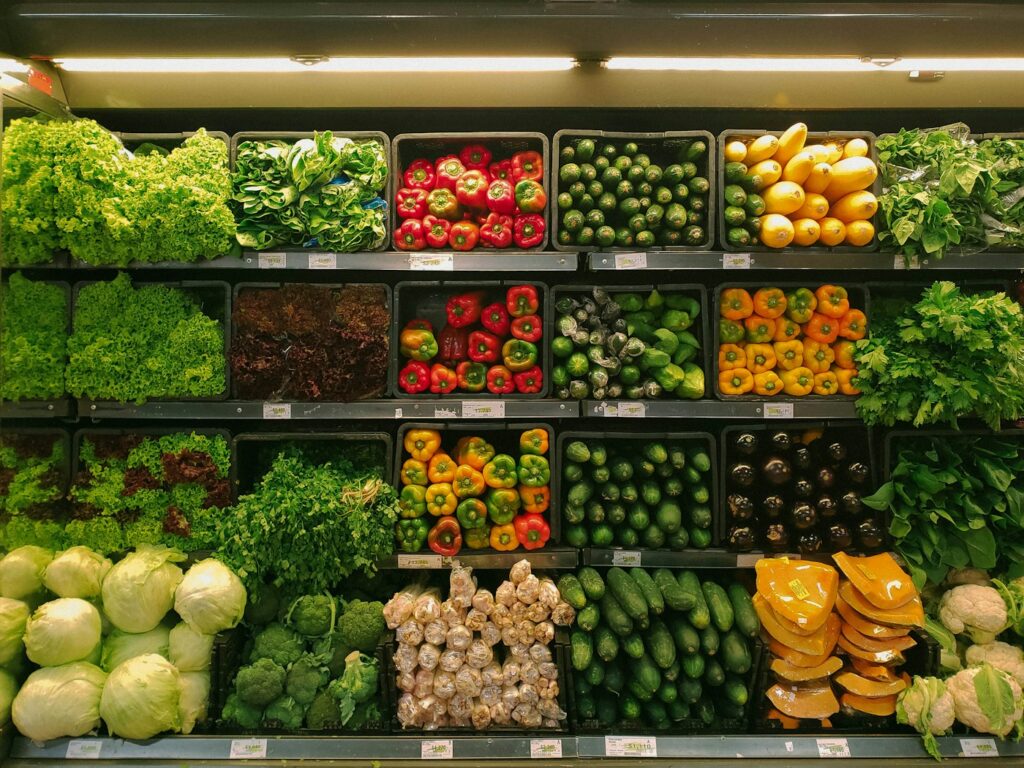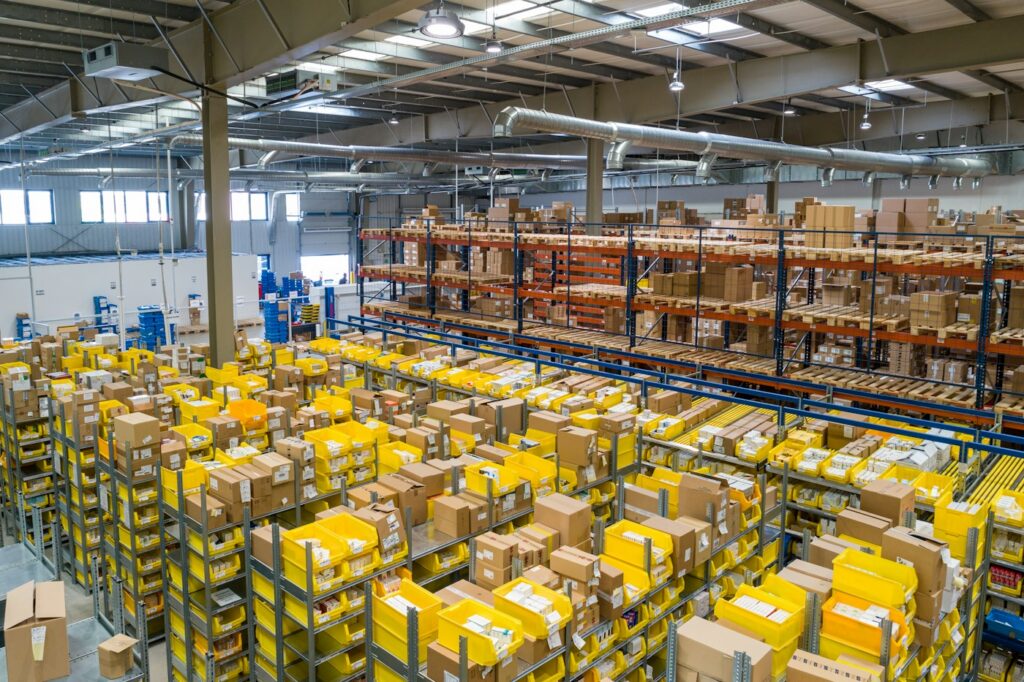
An ordinary purchase connects a customer to a chain of activities that may cross several borders. Materials, components, storage and transport all have to arrive in the right order. The finished object hides most of that coordination.
Trace one product
A useful explanation begins with a single item rather than a sweeping claim about the global economy. Where are its main materials sourced? Where is it assembled? Which route brings it to the shop?
The answers may come from a company, public documents and people working in the chain. Each source has limits. A company’s description of its arrangements should be identified as such unless independently established.
Time is part of the cost
Imagine a hypothetical retailer waiting for a delayed shipment. The effect depends on available stock, alternative suppliers and how quickly another route can be arranged. A delay does not have the same consequence for every product or business.
That is why reports about a disrupted route should ask which goods are affected and whether there is evidence of an impact on local prices or availability. A global event and a household outcome need a demonstrated connection.
Resilience involves choices
Keeping more stock, using more than one supplier or choosing a shorter route may help in some circumstances. Each also creates costs and operational trade-offs.
The most informative stories explain those choices rather than promising a single solution. A supply chain is a set of relationships; understanding where responsibility sits makes it easier to see how a disruption might spread or be contained.