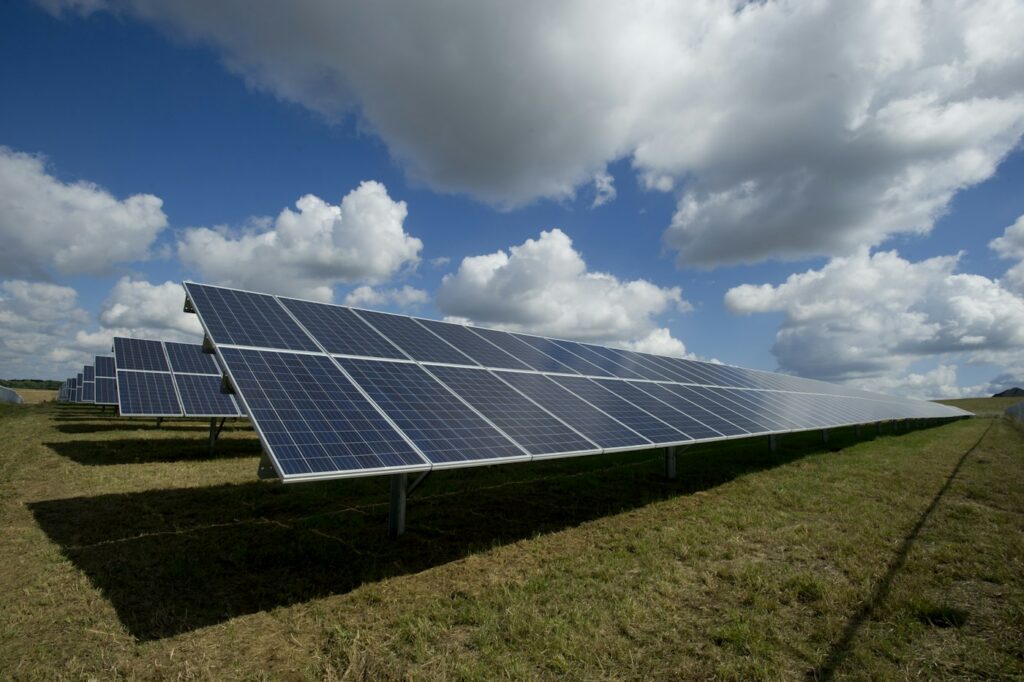
A new energy project is easy to picture: rows of panels, turbines on a ridge or a battery installation. The network connecting that equipment to homes and businesses is less visible. It deserves a place in the story.
Follow the connection
The International Energy Agency’s work on electricity grids emphasises the importance of network investment and planning for energy transitions. Adding generation capacity is not identical to delivering usable power wherever and whenever it is required.
For a reporter or reader examining a project, the next questions are practical. Is there a connection agreement? Which network needs upgrading? Who is responsible for the work, and what must happen before the project can operate as intended?
Distinguish capacity from supply
A project’s nameplate capacity describes a technical rating. It is not a promise that the same amount of electricity will be produced at every hour. Weather, maintenance and the wider system affect actual delivery.
This distinction helps readers compare claims more carefully. A headline about installed capacity should not quietly become a claim about continuous supply.
Look beyond the ribbon cutting
A useful account also examines planning, maintenance and how costs are allocated. Residents may reasonably want to understand proposed routes, construction disruption and the process for raising concerns.
The transition is therefore a story about institutions as well as equipment. The question is not only what gets built, but how the generation, network and demand sides are coordinated. A photograph of a finished installation cannot answer that on its own.